
A Frenchie's Heat Plan for California Stays
7 min read · Updated July 2026
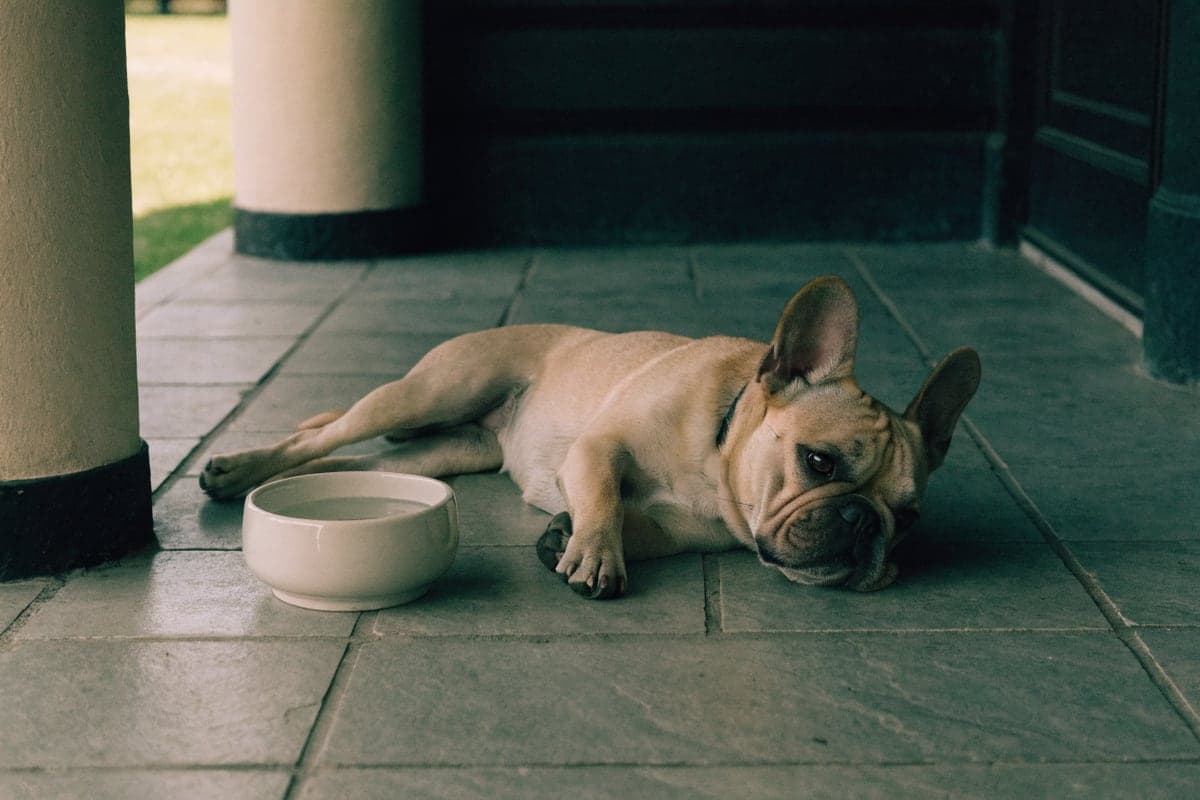
There's no single temperature that's safe for every French Bulldog, and any guide that gives you one is oversimplifying a real risk. Flat-faced breeds cool themselves less efficiently by panting than longer-nosed dogs do, and how much heat a specific dog can handle depends on their airway, their weight, their age, and the individual owner's own experience with them. What this guide can responsibly give you is the general caution vets tend to raise, and a habit of following the specific plan the owner leaves you, rather than a number to memorize.
The general caution, stated honestly
Many vets suggest extra care once temperatures climb into the 80s Fahrenheit, and real caution above that, especially with added humidity or direct sun. That's a starting point for judgment, not a line where "safe" flips to "unsafe." A young, lean Frenchie on an overcast 82°F morning is a different situation than an older or heavier dog on a sunny 82°F afternoon with no shade. Ask the owner what their dog's specific plan looks like (this is exactly what the heat_plan field on their Frenchie Card covers), and follow it rather than a rule of thumb.
What the day-to-day plan usually includes
- Walk timing. Early morning or evening, when the pavement and air have both cooled. If you're not sure whether it's cool enough, the pavement test works well: press the back of your hand to the sidewalk for five seconds; if it's too hot for your hand, it's too hot for paws.
- Shade and water, always available. Not just a bowl in the yard; check it's actually in shade and stays that way as the sun moves.
- AC rest in between. Warm-weather days are for short outings and long indoor recovery, not one long walk.
- Never left in a car. Not for a "quick errand," not with the windows cracked, not ever. A parked car heats up far faster than most people expect, even on a mild day.
Water safety: a separate risk from heat, worth stating plainly
Many French Bulldogs are poor swimmers. Their build (a heavy chest, a short muzzle, low body fat relative to some breeds) works against them in water the same way it works against them in heat. If a stay involves a pool, hot tub, or beach, that means active supervision the entire time a dog is near water, never assuming a dog "should be fine," and using a properly fitted life vest if the owner's plan calls for pool or beach access at all. This isn't a reason to avoid water outright if the owner has a routine that includes it; it's a reason to follow their specific instructions on supervision and equipment exactly, the same way you'd follow a medication routine.
Emergency vs. routine
Normal: heavier panting during or after a walk on a warm day, seeking shade or AC on their own, drinking more water than usual.
Call the owner: panting that seems disproportionate to the activity, unusual lethargy after being outside, or reluctance to move that wasn't part of their described baseline.
Get to the nearest emergency vet now, then call the owner: collapse, disorientation, bright red or blue-tinged gums, vomiting after heat exposure, or panting that doesn't ease with rest, shade, and water within a few minutes. Heat-related emergencies escalate fast in this breed; don't wait to see if it passes.
Before a warm-weather stay
Confirm the specific plan on the Frenchie Card at drop-off rather than assuming a "standard" routine covers it. Ask directly whether the dog has ever had a heat scare before, what the owner's own trigger point is for calling it a hot day, and whether pool or beach access is part of their normal routine or something to avoid entirely.
For the airway side of heat tolerance specifically, read the BOAS and breathing guide; the two are closely connected for this breed. See also the meet-and-greet checklist for working through a dog's specific plan in person before the stay starts.
Sources
- Warm-weather pet safety — AVMA (accessed July 21, 2026)
- Heat safety warnings for veterinary teams and pet owners — AAHA (accessed July 21, 2026)