
The Medication Routine: A Guide for Sitters
7 min read · Updated July 2026
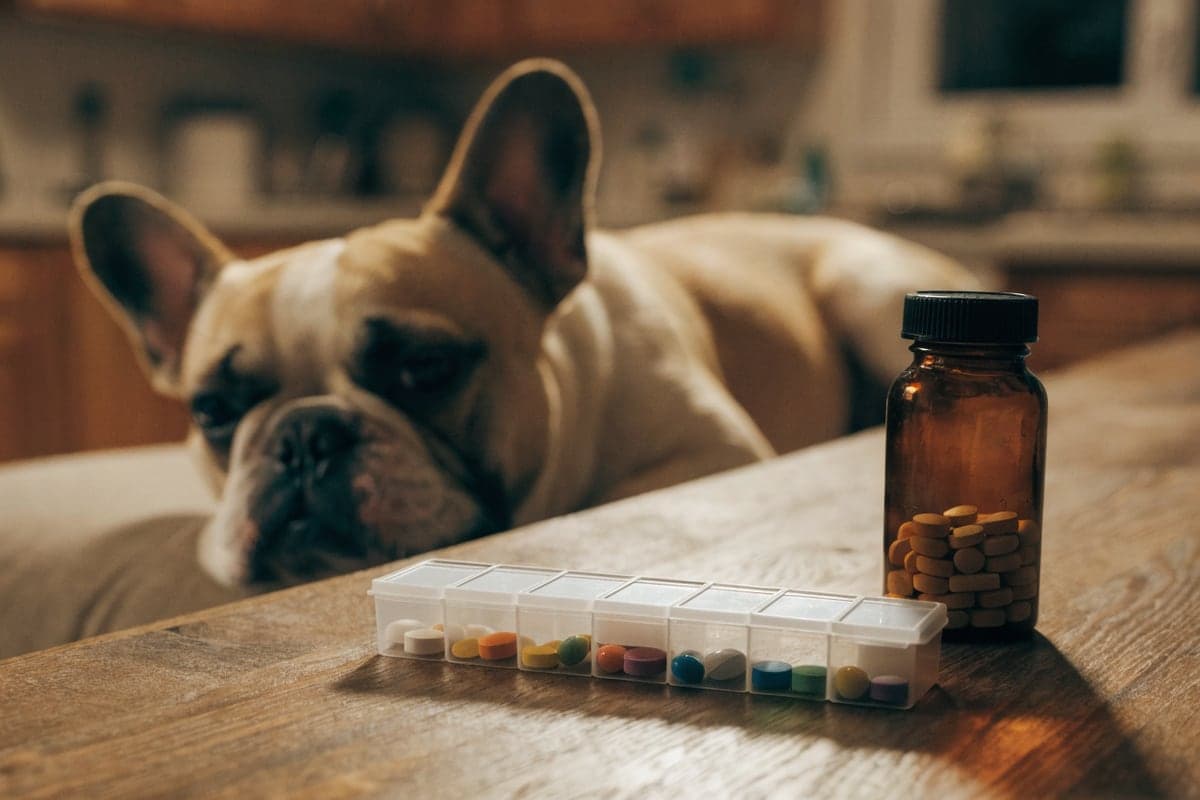
If a dog you're hosting takes medication, the rule for the stay is simple to state and worth taking seriously: follow the owner's written routine exactly. Not "the general idea of it," not "close enough," and not your own judgment about timing or whether a dose can be skipped. The FDA's guidance on client medication information exists precisely because medication instructions are written to be followed precisely, with side effects and missed-dose guidance specific to that drug and that dog; a sitter's role is to execute the plan, not to interpret it.
What "the written routine" should cover
Before the stay, confirm you have, in writing (the Frenchie Card, a note from the owner, or both):
- Every medication by name, with the exact dose and timing.
- What each one is for, in plain terms (this helps you recognize if something seems off, even without diagnosing anything).
- What to do about a missed dose, exactly as the owner specifies. Some medications have a clear "give it as soon as you remember" rule; others don't, and guessing wrong can matter.
- Storage requirements. Some medications need refrigeration or a spot away from humidity and light; the VCA's guidance on medication handling at home notes that where and how a medication is stored affects whether it stays effective, so don't improvise a storage spot because the labeled one seems inconvenient.
If any of this is missing or unclear at drop-off, ask before the owner leaves. Filling gaps later, by phone, is harder than confirming them in person.
The med log habit
Keep a simple log, even a note on your phone: what was given, when, and by whom if more than one person is caring for the dog. This does two things: it prevents a double dose if plans change mid-stay (a family member steps in, a schedule shifts), and it gives you an accurate answer if the owner asks "did she get her evening dose okay?" without you having to reconstruct it from memory.
Setting up the space
Keep all medication in one designated spot, clearly separated if you're also hosting your own dog or another guest dog, and out of reach of any pet in the house. Mixing up which pill belongs to which dog, or which day a multi-day course started, is one of the most common and most avoidable slip-ups in a multi-pet household.
What to do if something goes wrong
A missed dose, a dropped pill you can't find, or any uncertainty about what was actually given: call the owner immediately rather than guessing or deciding it's probably fine. This isn't about assigning blame; it's that the owner (and their vet, if needed) is the only one positioned to say whether a specific gap matters for that specific medication.
Emergency vs. routine
Normal: the dog taking medication the way the owner described (some dogs need it hidden in food, some take it plain; ask which).
Worth a call to the owner: a missed or uncertain dose, a new refusal to take a medication that previously went down easily, or any side effect the owner mentioned as possible.
Get to the nearest emergency vet now, then call the owner: an accidental double dose, a dog getting into medication that wasn't theirs, or any sudden reaction (vomiting, disorientation, collapse) after a dose. Bring the medication packaging with you if you go; it helps the vet act faster.
FAQ
Can I give an extra dose if the dog seems uncomfortable?
No. Any change to dosing is the owner's and their vet's call, never a sitter's judgment call in the moment, however well-intentioned.
What if I run out of a medication before the owner returns?
Call the owner right away rather than waiting until the next scheduled dose. Most medications need to be refilled before the gap becomes a missed dose, not after.
Read the senior Frenchie care guide if the dog you're hosting is older, since medication complexity often increases with age, and see the meet-and-greet checklist for confirming a routine like this one in person before drop-off.
Sources
- Client Information Sheets — Take-Home Safety Knowledge — U.S. FDA (accessed July 21, 2026)
- Safe Handling of Medications at Home — VCA Animal Hospitals (accessed July 21, 2026)